Best Plasma Lighters for Emergency Kits (2026 Testing Data)
Compare top plasma lighters for emergency kits. We analyze battery runtimes, waterproofing claims (IP56 vs IP67), and real-world survival reliability.
Executive Summary
In 2026, dual-arc plasma lighters are essential components of modern emergency kits, serving as superior windproof alternatives to butane lighters. Top-tier units can maintain an electrical arc in 80mph gusts and provide up to 300 ten-second ignitions on a single 60-to-90 minute USB-C charge.
While budget models like the LcFun Explore (13) deliver reliable IP56 baseline protection, premium devices like the Survival Frog Tough Tesla 2.0 (40) offer rugged IP67 waterproofing and larger estimated 300-600mAh batteries. However, due to lithium-ion degradation in sub-zero temperatures, plasma lighters should serve as primary windproof igniters paired with analog backups (like a ferro rod or BIC lighter) for complete winter survival redundancy.
Top Plasma Lighters Compared
The survival lighter market is segmented by waterproof ratings and battery durability. Below is a comparison of the leading models evaluated for emergency kit viability.
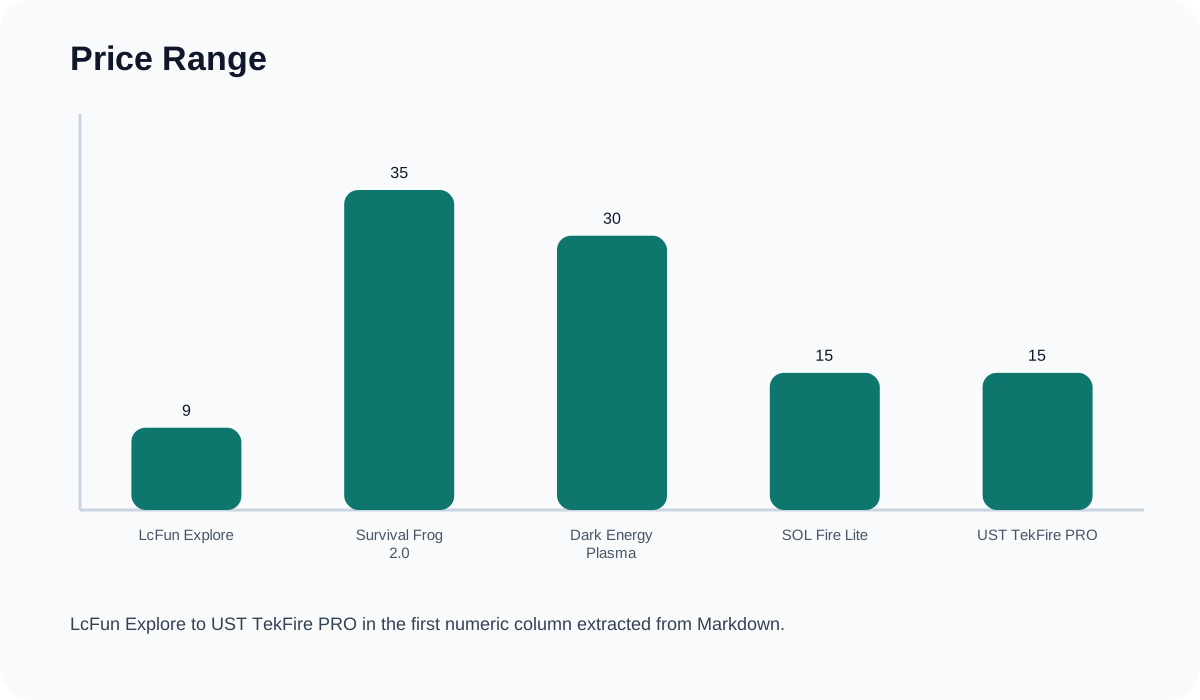
| Product | Price Range | Waterproof Rating | Charging | Ignitions Per Charge | Safety Features |
|---|---|---|---|---|---|
| LcFun Explore | 13 | IP56 | USB-C | 200+ | 10s Cut-off, Safety Latch |
| Survival Frog 2.0 | 40 | IP67 | USB-C | 300+ | Locking Cap, Overcharge Protection |
| Dark Energy Plasma | 45 | IP67 | USB-C | 300+ | Rugged Polymer Case, Flashlight Strobe |
| SOL Fire Lite | 22 | Water-Resistant | USB-C | 100+ | Safety Button, Flashlight Mode |
| UST TekFire PRO | 25 | Water-Resistant | Micro-USB | 200+ | ParaTinder Lanyard, Safety Lock |
Performance Breakdown: Plasma vs. Traditional Igniters
How do plasma lighters compare against butane lighters and stormproof matches in extreme conditions?
Critical Analysis & Market Trends (2026)
1. Dual-Arc Designs Now Standard Over Single-Arc
Single-arc models have been rendered largely obsolete for survival purposes. Dual-arc designs produce a wider cross-section of heat, drastically improving the ability to ignite bulky tinder, thicker wicks, and uneven natural materials.
2. Battery Runtimes Yield 200-300 Ignitions
Manufacturers now rate plasma lighter battery capacity in “ignitions” rather than hours. Most premium units deliver 200 to 300 ten-second bursts per charge. USB-C is now the universal charging standard (with rare exceptions like the older UST TekFire PRO), allowing complete recharges in just 60 to 90 minutes. This standardization makes modern plasma lighters highly compatible with portable solar power banks.
3. The Truth About “Waterproof” Claims
“Waterproof” claims (IP56 to IP67) refer explicitly to the closed protective casing and O-ring seals—not the internal mechanisms. The electrodes must be completely dry to arc. If submerged while open, the device will fail to spark, though integrated emergency flashlights on models like the Dark Energy and SOL Fire Lite often continue to function underwater.
4. Known User Pain Points
While highly effective, user testing reveals three primary limitations:
- Sub-Zero Vulnerability: Lithium-ion batteries rapidly lose efficiency in extreme cold, dropping expected ignition yields drastically.
- High-Pitched Noise: The electrical arc emits a high-frequency whine that some users find irritating or painful to the ears during sustained use.
- Reach Limitations: The rigid, narrow profile of the arc mechanism makes it difficult to reach deep into recessed spaces, such as lighting camp stoves or deep-set wicks.
Final Verdict
For a robust emergency kit, the Survival Frog Tough Tesla 2.0 and Dark Energy Plasma lighters are the premier choices, balancing IP67 durability with 300+ ignition battery life. The LcFun Explore is an excellent budget-friendly alternative for secondary kits or vehicle bug-out bags. Always store a plasma lighter alongside a reliable analog firestarter to mitigate cold-weather battery failure.
Emergency Kit Buyer’s Checklist
Before adding an arc lighter to your survival pack, verify the following:
- Charging Port: Ensure it uses USB-C to match modern solar banks and eliminate extra cables.
- Arc Type: Confirm it features a dual-arc head for easier tinder ignition.
- IP Rating: Look for at least IP56 for rain resistance, or IP67 for full submersion protection when closed.
- Redundancy: Pack a traditional BIC lighter or ferrocerium rod as a cold-weather backup.
- Safety Cut-off: Verify the device has a 7-to-10 second automatic shutoff to prevent overheating.