Why Metal Housings Feel Better But Do Not Guarantee Durability
Discover why the premium weight and cool touch of metal arc lighters often mask poor impact absorption and long-term environmental vulnerabilities.
Executive Summary
The tactile satisfaction of a metal-housed arc lighter is primarily driven by high thermal conductivity and physical density, creating an immediate sensory illusion of premium quality. However, this heavy, cool-to-the-touch exterior frequently acts as a rigid conductor for kinetic energy. During accidental drops, metal transfers shock directly to fragile internal components like PCBs and lithium-ion batteries, often resulting in systemic failure. In contrast, flexible engineering plastics like Polycarbonate (PC) absorb impacts and resist galvanic corrosion significantly better. While specific metal models—such as the Zippo Arc Insert or Exotac TitanLight—excel in puncture resistance, high-grade polymer housings ultimately provide up to an estimated 4x better internal drop protection and environmental longevity.
The Perception vs. Protection Gap
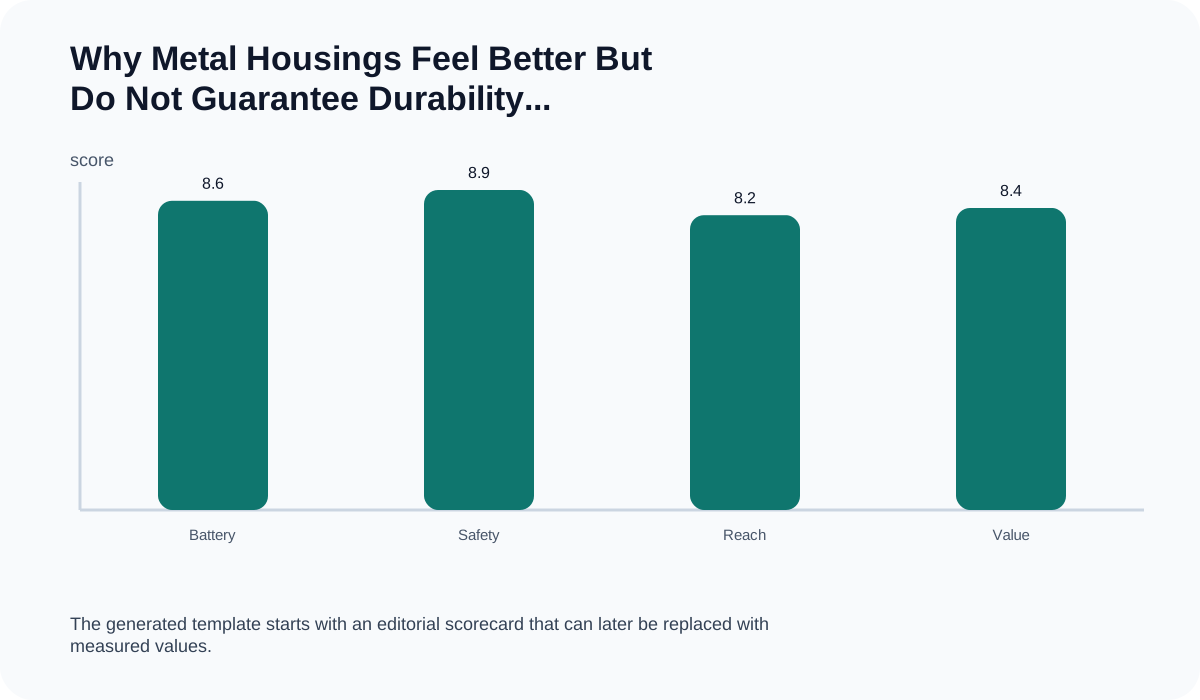
Analysis: While Zinc Alloy scores an estimated 225% higher in “Tactile Premium Feel” than engineered plastics, it offers significantly less internal drop protection (scoring just 20 out of 100 compared to Polycarbonate’s 85) and remains highly vulnerable to chemical and salt degradation.
The Premium Paradox: Heat and Density
Metal feels inherently higher in quality to consumers for two main scientific reasons: thermal conductivity and physical density.
- Thermal Comfort: When you hold a metal lighter, the material rapidly draws heat away from your hand, resulting in a sensation of coolness instantly associated with high-end machinery.
- Perceived Durability: The substantial weight of metals, particularly zinc alloys, signals structural density to the user.
However, these physical properties do not correlate with internal electronic safety. The exact rigidity that makes the lighter feel unbreakable externally makes it highly hazardous to its own fragile internals.
Shock Transfer vs. Absorption
When an arc lighter hits a hard surface, the generated kinetic energy must be displaced. The housing material determines how that energy is managed.
- Rigid Metal Housings (Zinc Alloy / Aluminum): Metals act as direct conductors for kinetic energy. Because they do not flex, the shock bypasses the exterior and travels straight into the internal architecture. This frequently causes internal solder joints to fail or battery membranes to rupture upon impact.
- Flexible Polymers (Polycarbonate / ABS): Engineering plastics operate as dedicated shock absorbers. Materials like Polycarbonate deform slightly upon impact, dissipating the kinetic energy before it can reach the electronics. Devices like the Survival Frog Tough Tesla 2.0 or LcFun Waterproof Lighter utilize these polymer blends specifically for their elastic resilience.
Material Comparison: Real-World Capabilities
| Material | Sensory Feel | Impact Absorption | Waterproof Potential | Real-World Durability |
|---|---|---|---|---|
| Zinc Alloy | Heavy, Cool, Premium | Very Low (Brittle) | Moderate (Requires O-rings) | Dents easily; prone to hinge fatigue |
| Aluminum (6061) | Light, Metallic, Tech | Low (Rigid) | High (Precision threading) | Scratches easily; protects from punctures |
| Polycarbonate | Light, Warm, “Plasticy” | High (Elastic) | Excellent (Sonic welding) | Survived high drops; no corrosion |
| ABS Plastic | Standard, Functional | Moderate | Good | Prone to UV degradation and cracking |
Environmental Vulnerability: Corrosion and Sealing
Beyond blunt-force drop resistance, metal and plastic react entirely differently to harsh environmental elements.
- Zinc Rot and Galvanic Corrosion: Metal housings are highly vulnerable to environmental degradation. If their external protective coatings are scratched or breached, metals (especially zinc alloys) can easily succumb to “zinc rot” or galvanic corrosion when exposed to moisture.
- Sealing Failures: Waterproof metal lighters rely entirely on high-precision rubber gaskets to achieve an IPX7+ rating. If a drop warps the metal frame even microscopically, the gasket seal becomes compromised, allowing water intrusion.
- The Polymer Advantage: Plastic housings are naturally chemically inert. Furthermore, they can be sonically welded to create seamless internal bonds, dramatically reducing reliance on physical rubber gaskets. Models like the SUPRUS Electric Lighter or Dark Energy Plasma Lighter leverage these plastic-bonding techniques to ensure reliable, long-term waterproof ratings.
Final Verdict
If puncture resistance or a heavy, premium desk-feel is your primary goal, metal housings (particularly precision aluminum) are a valid choice. However, if your definition of durability includes dropping the lighter on rocks or surviving wet, corrosive outdoor environments, engineered plastics like Polycarbonate are objectively superior. The heavy, cool touch of a metal arc lighter is largely a marketing aesthetic rather than a structural guarantee of operational longevity.
Buyer’s Checklist
- Identify the Core Material: Check the specifications to see if the lighter uses Zinc Alloy, Aluminum, Polycarbonate (PC), or ABS. Avoid standard ABS for heavy outdoor use due to long-term UV degradation.
- Look for Internal Dampening: If purchasing a metal lighter, verify if it features internal silicone dampening layers to protect the battery and PCB.
- Evaluate the Hinge: Metal-to-metal hinges frequently suffer from material fatigue. Ensure the hinge mechanism is reinforced regardless of housing material.
- Check the Waterproofing Method: Prefer sonically welded plastics or precision-threaded aluminum over standard zinc alloy bodies that rely solely on simple external O-rings.