Best Arc Lighters for Reusable Outdoor Cooking Kits
Discover the top arc lighters for reusable outdoor cooking kits in 2026. Compare waterproof ratings, battery runtimes, and real-world performance metrics.
Executive Summary
For reusable outdoor cooking kits in 2026, dual-arc plasma lighters have become the standard replacement for traditional butane due to their windproof reliability and USB-C rechargeability. The Survival Frog Tough Tesla 2.0 and the LCFun Dual Arc lead the market for wilderness applications, combining IP56/IP67 waterproof ratings with an estimated 200 to 300 ignitions per charge. While highly effective for igniting camp stoves and thin tinder, buyers must account for the narrow electrode gaps that complicate lighting thick wicks and require regular cleaning to prevent fuel residue buildup.
Performance Comparison
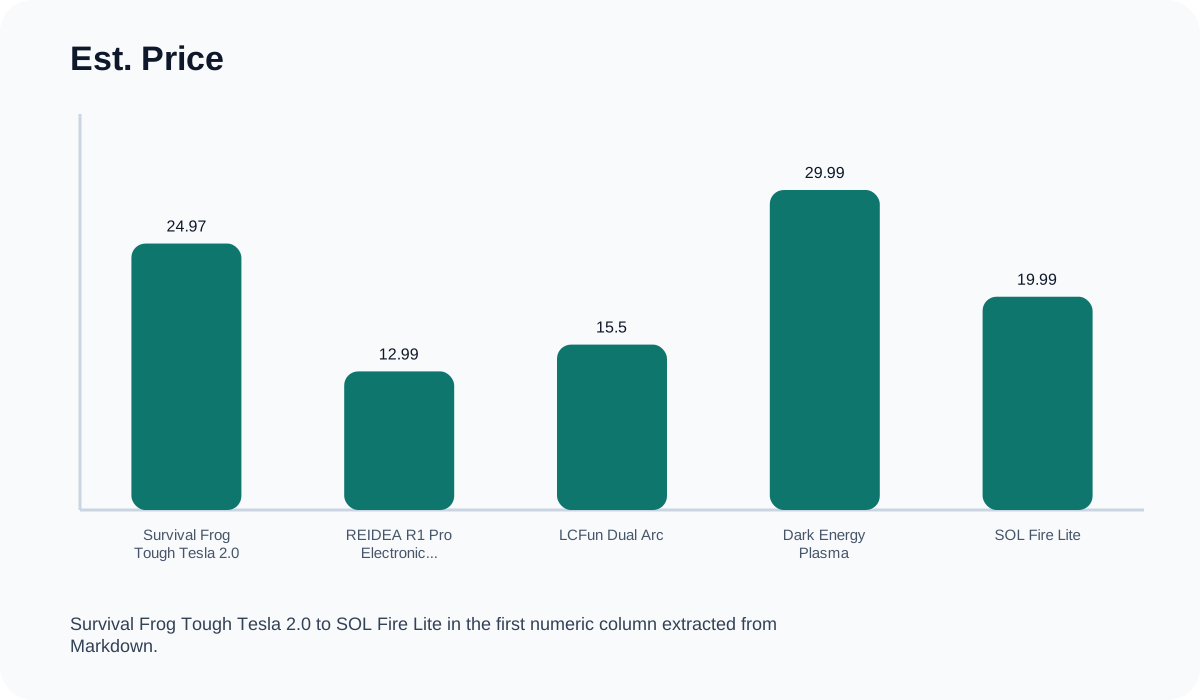
Top-tier models range from an estimated 29.99, distinguished largely by their water resistance and charging interfaces. USB-C is now the benchmark for fast, accessible field charging in 2026, though some rugged legacy models still utilize Micro-USB.
| Product Name | Best For | Est. Price | Waterproof Rating | Charging Port |
|---|---|---|---|---|
| Survival Frog Tough Tesla 2.0 | Rugged Survival | $24.97 | IP56 | USB-C |
| REIDEA R1 Pro Electronic Lighter | Budget/Stoves | $12.99 | Splashproof | USB-C |
| LCFun Dual Arc | Wet Environments | $15.50 | IP56 | USB-C |
| Dark Energy Plasma | Maximum Durability | $29.99 | IP67 | Micro-USB |
| SOL Fire Lite | Ultralight Kits | $19.99 | IPX4 | Micro-USB |
Battery Runtime and Charging Metrics
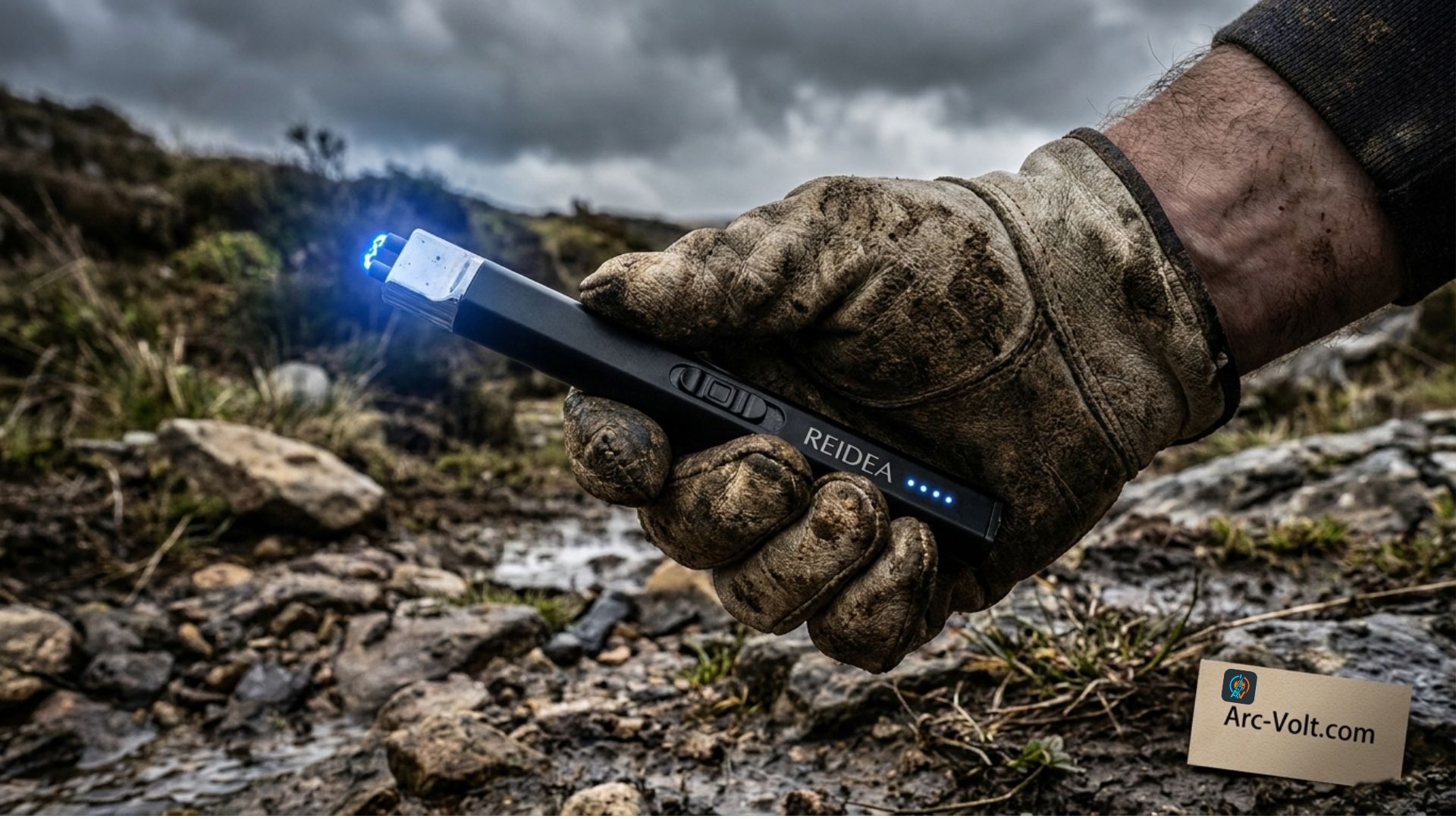
A standard 1.5-hour charge typically yields between 200 and 300 ignitions. However, outdoor performance is highly dependent on ambient temperature. Users report a significant drop in battery efficiency in sub-zero environments, which is a critical factor for winter camping.
Addressing Real-World Limitations and Pain Points
The primary limitation of arc lighters in outdoor cooking kits is the short arc gap. Unlike a butane flame that reaches outward, the plasma arc requires users to place the electrodes in direct contact with the fuel source.
- Residue Buildup: Direct contact with camp stove fuel or sappy tinder leads to residue on the prongs. This requires frequent cleaning to maintain spark quality.
- Battery Degradation: Real-world user data highlights noticeable battery capacity degradation over a six-month period of heavy use.
- Cold Weather Operation: Lithium-ion batteries naturally lose efficiency in freezing temperatures. Keeping the lighter close to body heat before use is a necessary workaround.
Built-in Safety Considerations
Safety is paramount when utilizing lithium-ion technology in combustible environments. The leading 2026 models integrate multiple standard fail-safes:
- Automatic Shut-Off: Ignitions automatically terminate after 7 to 10 seconds of continuous use to prevent overheating.
- Overcharge Protection: Prevents the internal lithium-ion battery from swelling when left plugged into high-output power banks.
- Child-Safety Locks: Physical latch mechanisms prevent accidental deployment in crowded packs.
Final Verdict
The Survival Frog Tough Tesla 2.0 provides the best balance of ruggedness, USB-C compatibility, and IP56 water resistance for reusable outdoor cooking kits. However, survival experts increasingly recommend a hybrid approach: pair a dual-arc lighter for efficient camp stove ignition with a compact butane torch for lighting heavy firewood or operating in sub-zero conditions.
Maintenance Checklist
To maximize the lifespan of your arc lighter, follow these field-tested maintenance steps:
- Clean Electrodes Regularly: Wipe away carbon and fuel residue from the ceramic prongs (testing suggests isopropyl alcohol is highly effective).
- Prevent Deep Discharges: Recharge the unit before it fully dies to slow the six-month battery degradation cycle.
- Inspect Seals: Check the O-ring seals on IP56/IP67 models periodically to ensure waterproof integrity remains intact after repeated opening and closing.
- Warm Before Use: Store the lighter in an inside pocket during winter trips to maintain battery efficiency.