Best Arc Lighters for Van Life Kitchens
Discover the top arc lighters for van life kitchens in 2026. Compare battery runtime, waterproof ratings, and user pain points for butane-free cooking.
Executive Summary
For van life kitchens, the best arc lighters replace volatile butane with rechargeable plasma technology, ensuring reliable ignition at high altitudes and in high winds. Based on recent data, REIDEA leads for indoor, flexible-neck stove lighting, while Extremus and LC-fun dominate outdoor setups with IP56 waterproof ratings. Priced between 30, modern arc lighters deliver 300 to 600 ignitions per charge, making them a cost-effective, safer alternative to traditional fuel-based lighters in compact mobile spaces.
Featured Pick: REIDEA F2 Ultra
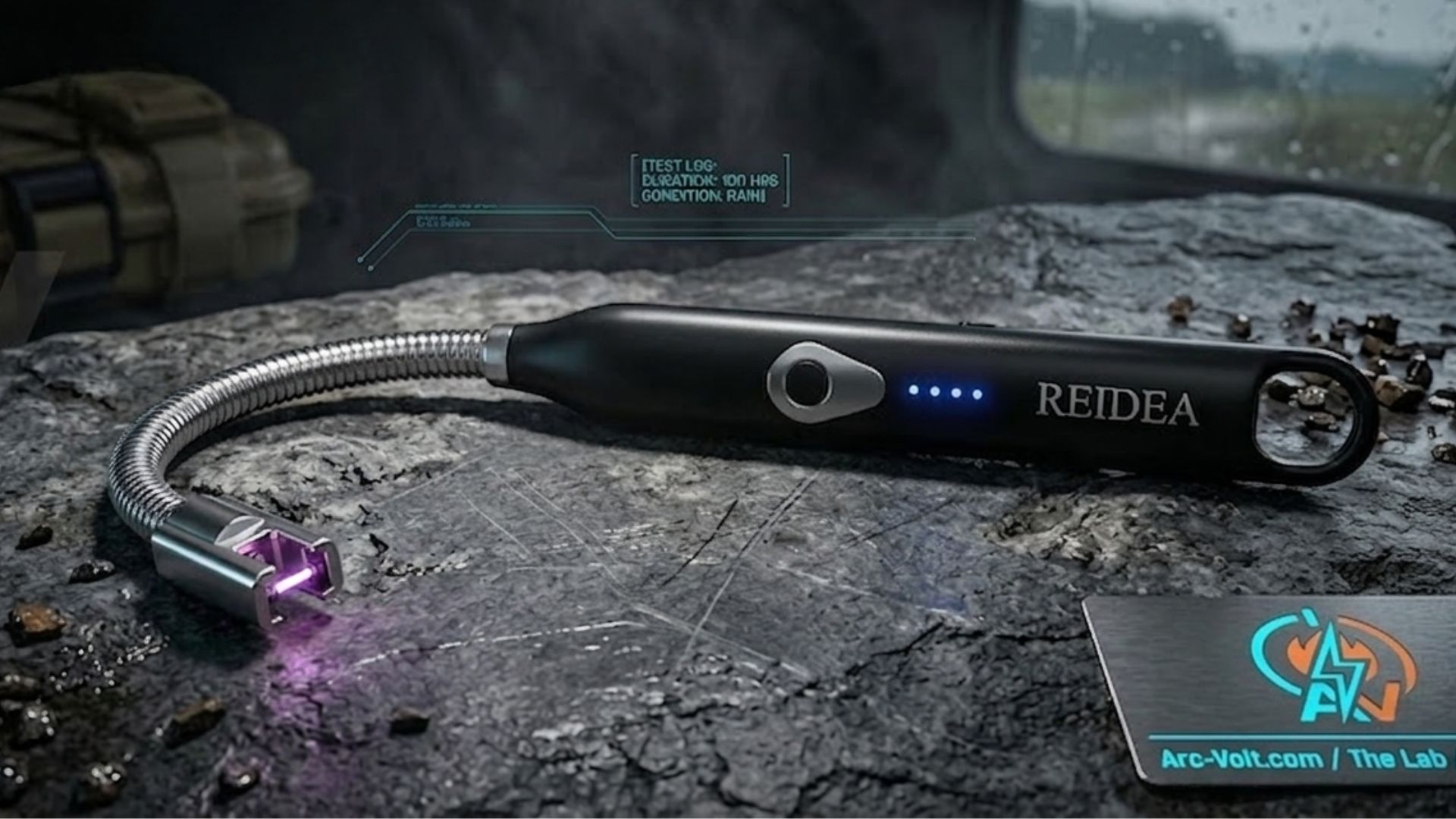
The REIDEA F2 Ultra is a flexible-neck candle lighter that fits deep jars, grills, pilot lights, and compact kitchen use while keeping USB-C charging and a slim indoor-friendly form factor.
Top Arc Lighters: Technical Comparison
When selecting an arc lighter for a van life kitchen, match the design to your primary cooking environment. Flexible necks are ideal for recessed gas stove burners, while rugged, waterproof models suit outdoor tailgate cooking.
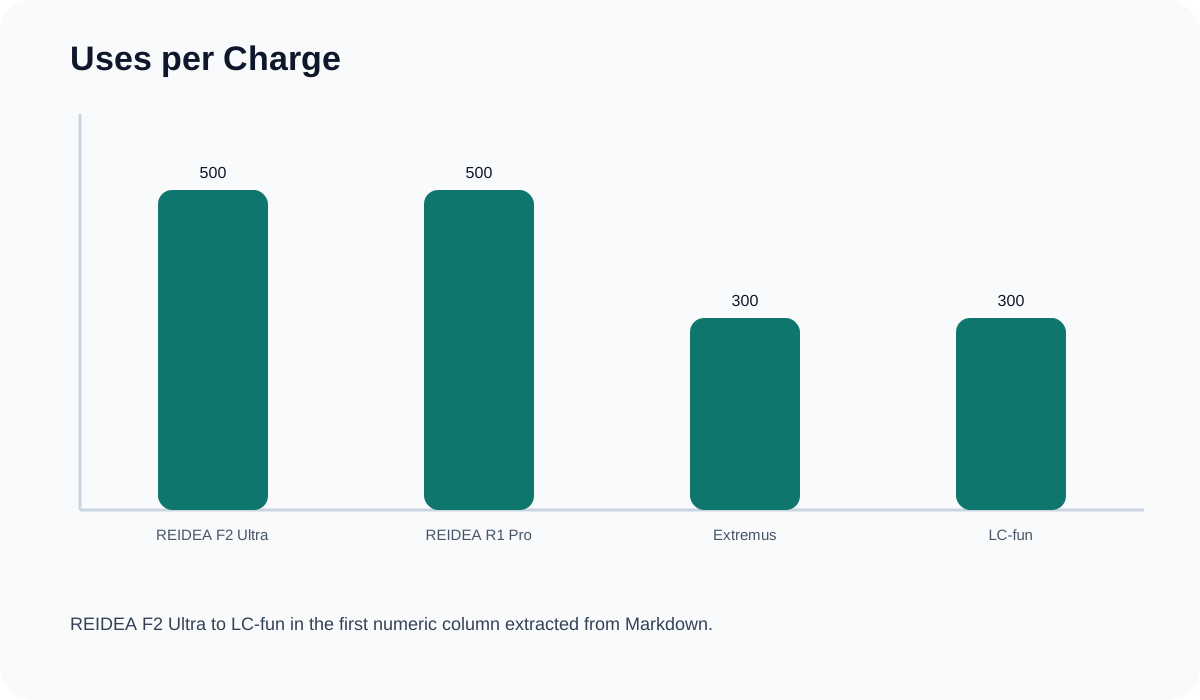
| Brand | Primary Use | Waterproof Rating | Uses per Charge |
|---|---|---|---|
| REIDEA F2 Ultra | Flexible Kitchen | Splash-proof | 500 |
| REIDEA R1 Pro | Slim Candle/Kitchen | No | 500 |
| Extremus | Outdoor/Rugged | IP56 | 300 |
| LC-fun | Survival/All-Weather | IP56 | 300 |
Why Van Lifers Are Ditching Butane
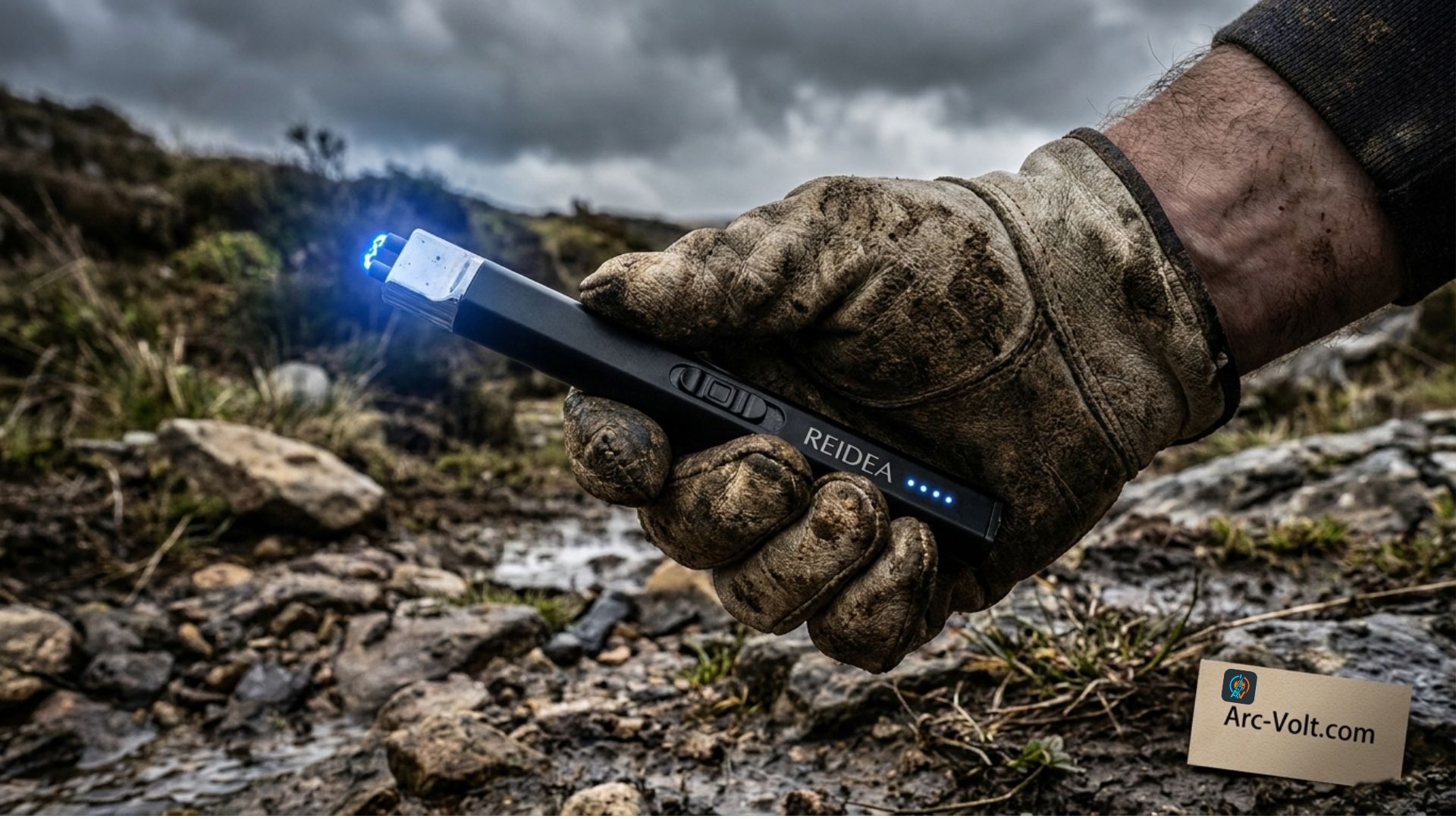
Arc lighters rely on plasma arc technology rather than liquid fuel. This provides three quantified advantages for van dwellers:
- High-Altitude Performance: Unlike butane lighters that fail as oxygen levels drop, arc lighters ignite consistently, making them essential for mountain camping.
- Space and Safety: Eliminating butane storage in a compact, hot vehicle significantly reduces fire risk.
- Cost Efficiency: Most units cost between 30 and feature 200mAh to 300mAh batteries. Models transitioning to USB-C in 2025/2026 offer faster, more standardized charging on the road.
Common Pain Points and User Complaints
Despite their utility, arc lighters require specific maintenance. The most frequent issues reported by long-term users relate to battery degradation and hardware limitations.
- Battery Degradation: Daily use often leads to noticeable battery capacity drops within an estimated 6 to 12 months.
- Electrode Soot Build-Up: Cooking grease and soot can block the arc, requiring regular cleaning to maintain conductivity.
- Noise: The plasma arc emits a high-pitched frequency that can be irritating to pets or users with sensitive hearing.
- Small Ignition Surface: The narrow arc makes lighting thick wicks or large, uncontained fuel sources difficult compared to open flame lighters.
Safety Standards in Modern Arc Lighters
To prevent accidents in tight quarters, leading brands incorporate standardized safety mechanisms:
- Automatic Shut-Off: Devices power down automatically after 7 to 10 seconds to prevent overheating.
- Physical Child Locks: Prevents accidental ignition while stored in moving van drawers.
- Heat-Resistant Ceramic Tips: Protects the device chassis from melting during repeated stove ignitions.
Final Verdict
- Best for Indoor Van Kitchens: Choose REIDEA F2 Ultra for its flexible neck, USB-C charging, and easy reach into compact van stove burners.
- Best for Outdoor/Tailgate Kitchens: Choose Extremus or LC-fun. Both trade battery capacity (300 uses) for rugged, IP56-rated waterproofing that withstands rain and heavy wind.
Van Life Arc Lighter Checklist
Before purchasing, verify the following:
- Charging Port: Ensure the lighter uses USB-C rather than outdated Micro-USB to minimize the cables you need to carry.
- Battery Capacity: Look for at least 200mAh to 300mAh to guarantee 300+ ignitions.
- Maintenance Routine: Keep a small brush or microfiber cloth handy to regularly wipe soot off the ceramic tip.
- Pet Sensitivity: Test the high-frequency noise around van pets to ensure it does not cause distress.