Best Budget Arc Lighters for First-Time Campers
Discover the best budget arc lighters under $20 for first-time campers. We analyze waterproof ratings, battery life, and beginner safety features.
Executive Summary
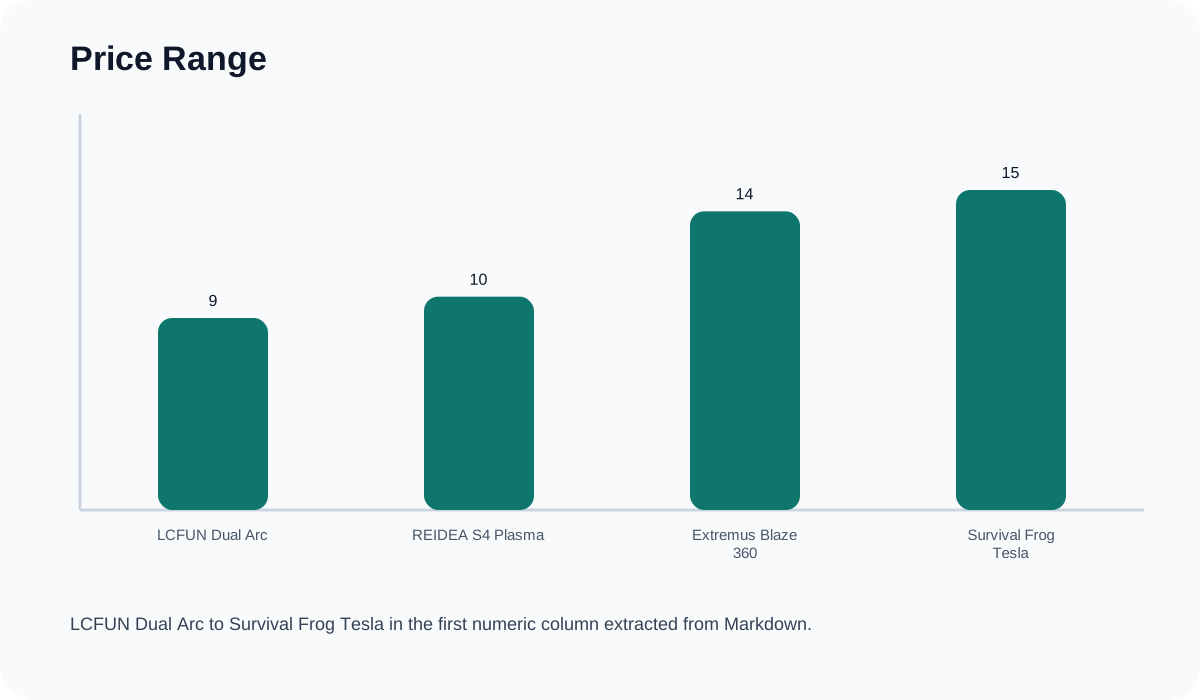
Budget-friendly arc lighters (also known as plasma lighters) have become essential gear for first-time campers. Ranging from 18, top-tier models provide unparalleled windproof performance and a reusable, fuel-free alternative to traditional butane. For beginners, leading models like the LCFUN Waterproof Dual Arc and Extremus Blaze 360 offer IP56 waterproof ratings and yield between 100 and 300 ignitions per charge. However, buyers must manage specific limitations: battery performance drops by 30-50% in freezing temperatures, and the narrow electrode gaps require fine tinder to ignite successfully.
Top Budget Arc Lighters at a Glance
| Product | Price Range | Waterproof Rating | Battery Life | Charging |
|---|---|---|---|---|
| LCFUN Dual Arc | 12 | IP56 (Sealed Case) | Up to 100-200 Lights | USB-C |
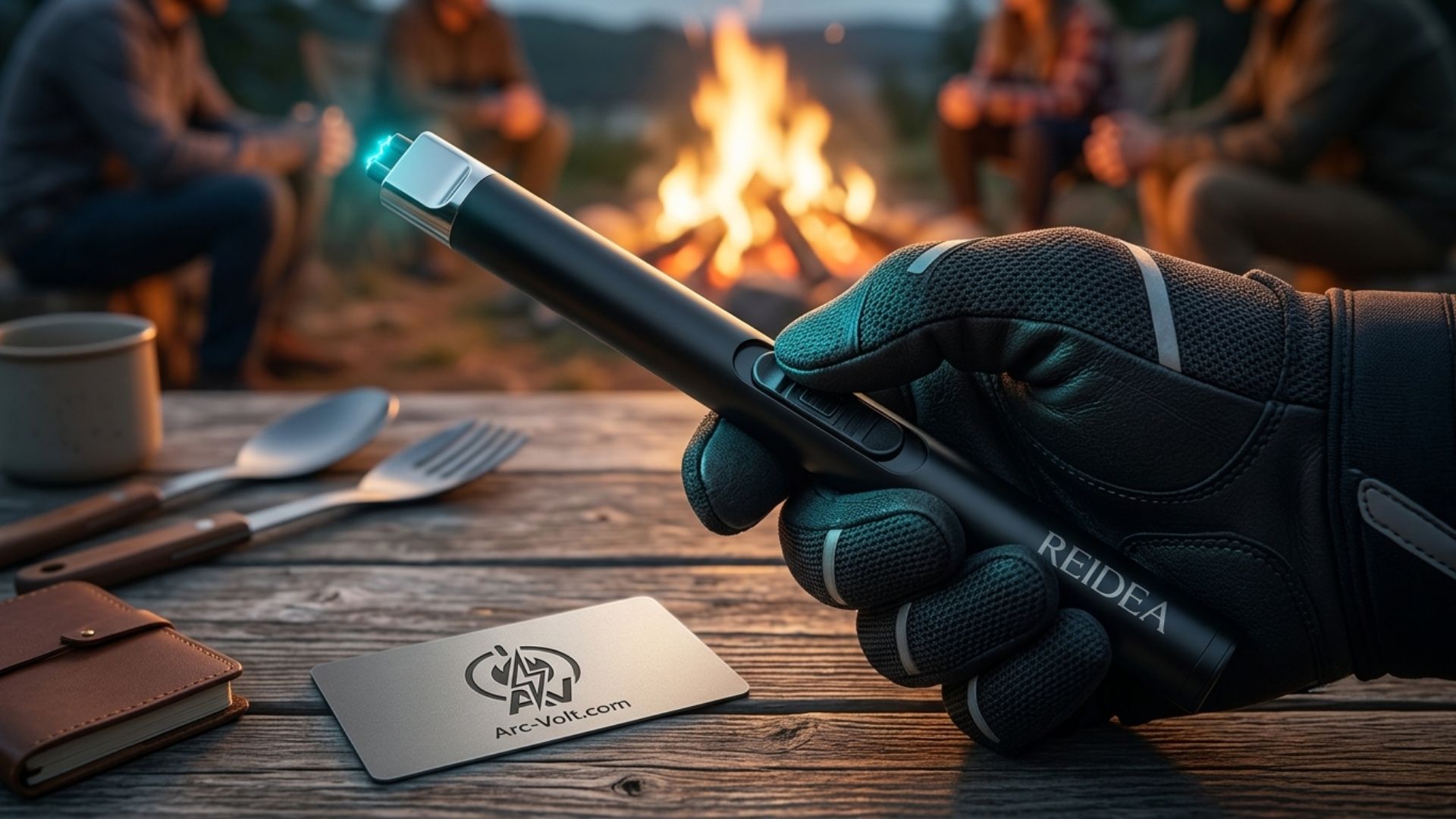
| REIDEA S4 Plasma | 15 | Not Rated (Sleek Design) | Up to 300 Lights | USB-C |
| Extremus Blaze 360 | 18 | IP56 (Floating) | Up to 150 Lights | USB-C |
| Survival Frog Tesla | 20 | IP56 (Rugged) | Up to 250 Lights | Micro-USB |
Key Buying Considerations for Beginners
Windproof Performance vs. Cold Weather Drain
Arc lighters excel in high winds where traditional flames fail. However, battery management is critical for new campers. Most sub-$20 models support 100 to 300 ignitions per charge at room temperature. In extreme cold (below freezing), real-world battery performance typically drops by 30% to 50%. Keep your lighter stored in an inner jacket pocket to maintain optimal battery discharge rates.
Waterproofing Standards
Leading budget models feature an IP56 waterproof rating. This provides strong protection against rain and splashing water, provided the protective latches are securely closed. Failing to secure the latch is a common beginner mistake that leads to water ingress.
Real User Pain Points
A major adjustment for first-time campers is the narrow gap between the plasma electrodes. Unlike an open butane flame, this small gap makes lighting thick tinder bundles or candles with deep wicks difficult. Preparing fine tinder (such as frayed twine or dry grass) is necessary for success.
Safety Features
Reputable budget brands include standard safety features to prevent accidental ignition inside a crowded backpack. Look for devices featuring:
- 7-10 Second Automatic Shut-off: Prevents the device from overheating if the ignition button is held down continuously.
- Dual-Action Safety Locks: Requires opening a protective latch and pressing a distinct button to fire the arc, preventing accidental discharge in packs.
Performance Comparison: Arc vs. Traditional Butane
Final Verdict
For under $20, campers gain access to highly reliable, windproof firestarters. The LCFUN Waterproof Dual Arc Lighter and Extremus Blaze 360 stand out as the best overall choices for wet and windy conditions thanks to their IP56 ratings and modern USB-C charging. The REIDEA USB-C Rechargeable offers exceptional battery life for dry environments, while the Survival Frog Tough Tesla Lighter 2.0 remains a rugged, albeit Micro-USB dependent, alternative.
First-Time Camper FAQ & Checklist
- How many lights will I get on a single charge? Generally, between 100 and 300 ignitions, heavily dependent on the model and environmental temperatures.
- Can I leave it in my backpack in the winter? No. Freezing temperatures reduce battery capacity by up to 50%. Store it close to your body heat.
- Is it safe to carry? Yes, provided you choose a model with a dual-action safety lock and a 7-10 second automatic shut-off to prevent accidental discharge.
- What is the best tinder to use? Because of the narrow electrode gap, stick to extremely fine, dry materials like dryer lint, frayed rope, or commercial fire plugs.