Best Portable Alarms and Sensors for Tent Security
Compare the best portable tent security alarms for 2026, from 113dB PIR motion sensors to mechanical tripwires for wild camping.
Executive Summary
For immediate tent perimeter defense in 2026, the market is led by ultra-compact Passive Infrared (PIR) motion sensors and hybrid strobe alarms that deliver 113dB to 120dB sirens. Solo and wild campers are increasingly shifting away from heavy mechanical systems toward standalone, budget-friendly units like the TentBox Security Alarm and KERUI DW9, which offer IP55+ weatherproofing without requiring smart hubs or subscriptions.
However, for deep off-grid use, physical tripwire alarms like the Fith Ops Gen3 using 12ga or .209 blanks remain the highest deterrent against wildlife, despite presenting tripping hazards. Whether you prioritize multi-year standby life or USB-C rechargeable convenience, this guide breaks down the data to help you secure your campsite.
Quick Comparison: Top Tent Security Alarms
Below is a breakdown of the leading portable sensors and alarms based on water resistance, power source, and intended camping style.
| Product | Type | Price | Waterproof | Battery Life | Best For |
|---|---|---|---|---|---|
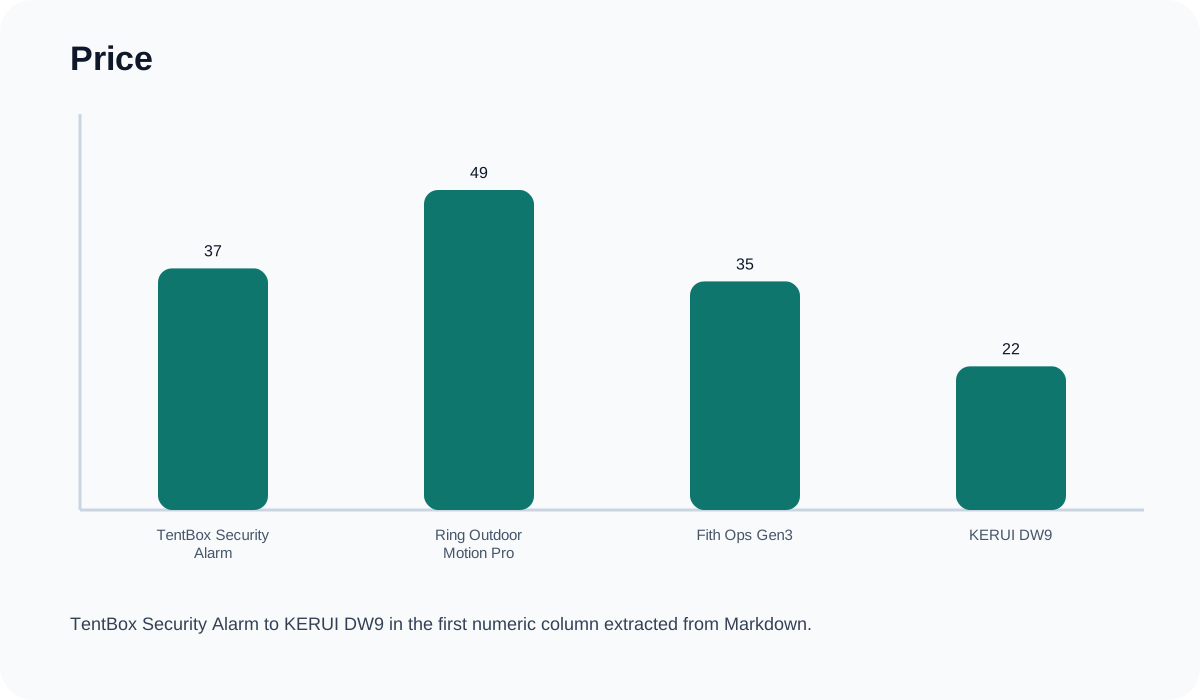
| TentBox Security Alarm | Vibration/Touch PIR | $37 | IP65 | Rechargeable (60-90 days) | Roof-top Tents & Vehicles |
| Ring Outdoor Motion Pro | PIR Motion | $49 | IP55 | 3 Years (AA Lithium) | Smart Home Integration |
| Fith Ops Gen3 | Physical Tripwire | $35 | N/A (Mechanical) | Infinite (No Battery) | Wild Camping / Bear Deterrence |
| KERUI DW9 | PIR Motion | $22 | IP65 | 6-12 Months (AAA) | Budget Perimeter Security |
Battery Life vs. Cost Analysis
When evaluating portable security, battery runtime is just as critical as the initial purchase price. USB-C rechargeable lithium-ion units are increasingly popular, but traditional AA/AAA lithium cells still lead for multi-year off-grid standby.
Key Security Technologies Analyzed
1. PIR Motion Sensors vs. Hybrid Sirens
The standard for modern tent security relies on Passive Infrared (PIR) detection. Units like the KERUI DW9 ($22) offer reliable perimeter alerts. However, data indicates that sound-only alarms are less effective in highly remote areas. Systems that integrate 120dB sirens with strobe lights demonstrate a significantly higher deterrence factor against human intruders.
Note on False Alarms: The leading user complaint regarding PIR sensors involves false alarms triggered by wildlife (raccoons, squirrels) and wind-blown foliage. Careful placement and angling are required to mitigate this.
2. Mechanical Tripwires for Wild Camping
While digital systems dominate casual and roof-top camping, wild campers continue to utilize physical tripwires. The Fith Ops Gen3 Trip Alarm ($35) uses 12ga or .209 blanks to create an unmistakable auditory deterrent. Because it is completely mechanical, it boasts infinite battery life and is unaffected by heavy rain. The primary drawback is safety; physical tripwires pose a significant tripping hazard for the campers themselves in low-light conditions.
3. Rechargeable vs. Replaceable Batteries
The portable segment is currently fractured between two power philosophies:
- Lithium-Ion (USB-C): Models like the TentBox Security Alarm offer exceptional convenience with 60-90 days of standby time. They are ideal for vehicle-based or weekend campers who can easily recharge their gear.
- Lithium AA/AAA Cells: Products like the Ring Outdoor Motion Pro offer an estimated 3 years of standby life on AA lithium batteries, heavily outperforming rechargeable options for long-term off-grid storage.
Tent Security Checklist
Before deploying your portable alarm system, ensure you have addressed the following:
- Assess Your Environment: Are you in a high-wind area? High winds can trigger false alarms in hyper-sensitive PIR sensors.
- Select the Right Deterrent: Choose hybrid (strobe + 120dB siren) alarms for human intruders; use physical tripwires (blank-firing) for large wildlife deterrence.
- Verify IP Ratings: Ensure your device is at least IP55 (water-resistant) or IP65 (dust and jet-water resistant) if placing it outside the tent flap.
- Mitigate Trip Hazards: If using physical tripwires, clearly mark the perimeter to avoid camper injury during nighttime exits.
Final Verdict
For most campers, the TentBox Security Alarm provides the best balance of ease-of-use, IP65 weather resistance, and sufficient 113dB volume without requiring a complex setup. Budget-conscious campers should look to the KERUI DW9, which delivers excellent PIR motion tracking for under $25. Conversely, if you are wild camping in bear country and need guaranteed, battery-free reliability, the Fith Ops Gen3 tripwire remains unmatched in sheer deterrent power.