Camp Cleanup Test: Which Gear Is Easiest to Dry and Restore?
Discover which camping gear is easiest to dry and restore. We analyze dry times, IP ratings, and maintenance for camp showers, power banks, and lanterns.
Executive Summary
Restoring camping gear after wet or muddy trips heavily depends on material composition and electronic port design. Based on our analysis, fully sealed power banks (like the Goal Zero Venture series) and gravity-fed TPU-coated shower bags are the easiest and fastest to dry. Specifically, IP67-rated electronics can be wiped dry in under 1 hour, while TPU gravity bags take 4 to 6 hours. Conversely, pressurized shower systems present the greatest restoration challenge, often requiring 48 to 72 hours of open-valve drying to prevent internal mildew.
Restoration Ease by Gear Category
Below is a breakdown of how easily different types of camp gear can be restored post-trip, based on structural complexity and moisture retention.
Product Comparison: Drying & Maintenance
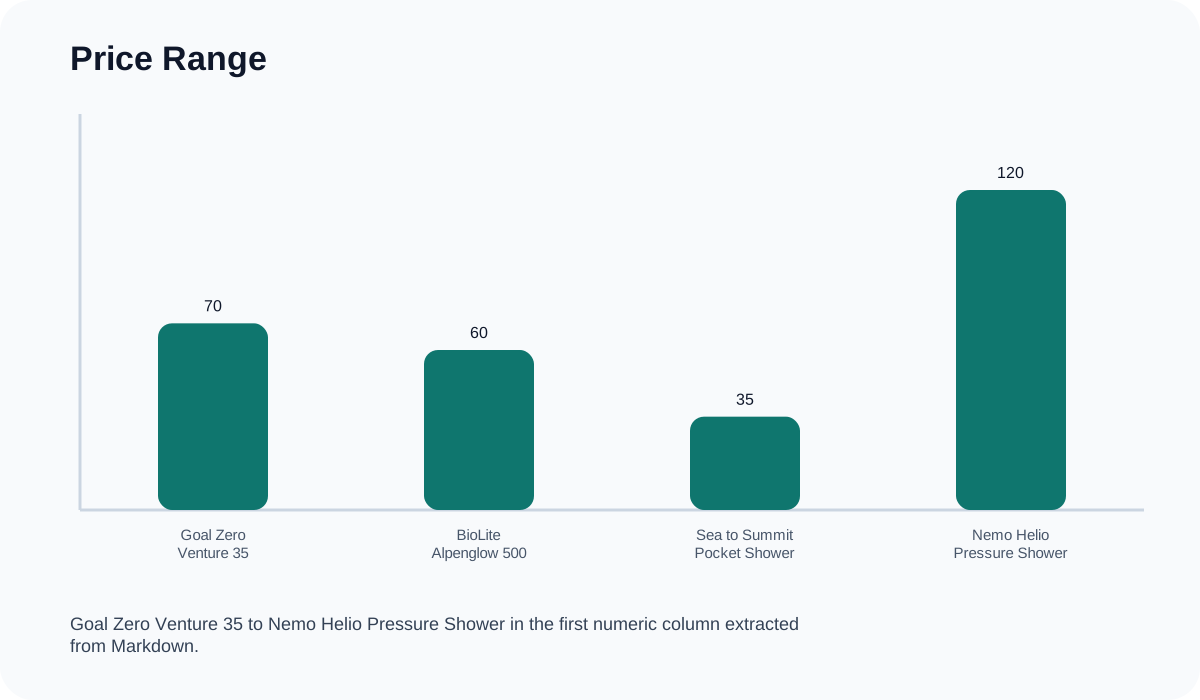
| Product | Category | Price Range | Waterproof Rating | Dry/Restore Time | Primary Maintenance |
|---|---|---|---|---|---|
| Goal Zero Venture 35 | Power Bank | 100 | IP67 | < 1 Hour | Clear ports of debris; wipe casing |
| BioLite Alpenglow 500 | Lighting | 80 | IPX4 | 2-4 Hours | Wipe down; ensure port cover is seated |
| Sea to Summit Pocket Shower | Shower | 45 | 70D Waterproof Nylon | 4-6 Hours | Invert and hang to air dry |
| Nemo Helio Pressure Shower | Shower | 160 | Waterproof Fabric | 48+ Hours | Internal air-flush; sun exposure for curing |
Analysis: Where Gear Succeeds and Fails in Restoration
Material Choice and The Internal Moisture Trap
Our research indicates that material choice dictates drying efficiency. Synthetic TPU-coated nylon dries significantly faster and resists mildew far better than traditional PVC, which has a tendency to become tacky and trap odors over time.
The most significant pain point for campers is the “internal moisture trap” found in pressurized systems. While products like the Nemo Helio offer exceptional utility in the field, their complex internal reservoirs require 48 to 72 hours of continuous “valve-open” air drying. Failure to adhere to this leads to documented user complaints of internal mildew odors. By contrast, open-top gravity bags like the Sea to Summit Pocket Shower feature wide-mouth openings and integrated hang loops, allowing users to invert them completely for rapid air-drying in just 4 to 6 hours.
Electronic Port Vulnerability
For electronic camp gear, a high waterproof rating (IP67 or above) is critical for “restore-ability.” Hard outer shells allow for an immediate wipe-down. However, field data highlights a consistent point of failure: silicone port covers. On devices like the Goal Zero Venture 35, users report these covers can tear off through repeated use, compromising long-term waterproofing and risking severe port corrosion—especially if exposed to salt water environments.
Similarly, IPX4-rated items like the BioLite Alpenglow 500 require more careful towel drying around exposed seams. Users also report that the Alpenglow’s internal “shaking” mechanism can become sticky or entirely unresponsive if fine silt or mud infiltrates the housing.
Safety & Maintenance Considerations
Proper cleanup extends gear life and mitigates specific safety risks:
- Electrical Shorting: USB-C ports must be 100% dry before connecting to power. Trapped moisture can cause phantom charging or permanent circuit damage to power banks and lanterns.
- Bacterial Growth: Stagnant water left in complex shower hoses or tanks can host Legionella and other dangerous bacteria. Systems must be dried fully, ideally aided by an antimicrobial rinse or UV (sun) exposure.
- Chemical Damage: Avoid using standard household detergents on DWR-coated fabrics (Durable Water Repellent). Always use technical washes, like Nikwax, to clean gear while maintaining its water-beading capabilities.
- Hardware Clogs: Sand infiltration in shower-head nozzles drastically reduces flow rates and often requires meticulous needle-cleaning to restore proper function.
Gear Restoration Checklist
Follow these steps to ensure your gear is safely stored until your next trip:
- Electronics: Inspect all silicone port covers for tears. Wipe hard shells clean. Ensure ports are bone dry before plugging in cables.
- Gravity Showers: Empty all water, invert the bag completely through its wide-mouth opening, and hang it by its loop in a dry, well-ventilated area for at least 6 hours.
- Pressurized Showers: Empty the tank, lock the valve in the “open” position, and allow the system to air-dry for a minimum of 48 to 72 hours to prevent mildew.
- Fabrics: Clean all canvas and nylon with a technical wash (e.g., Nikwax) rather than standard detergents to preserve waterproof coatings.
Final Verdict
If quick cleanup and minimal maintenance are your top buying priorities, prioritize sealed power banks (IP67+) and gravity-fed TPU showers. The Goal Zero Venture 35 offers the fastest tech restoration (under 1 hour), provided you are careful not to tear the silicone port cover. For camp hygiene, the Sea to Summit Pocket Shower is vastly easier to dry than pressurized alternatives, saving you days of maintenance at the expense of pressurized water flow.