How Safety Locks Reduce Accidental Ignition Risk
Discover how dual-action safety locks and 7-second auto-cutoffs in modern arc lighters prevent accidental pocket ignition and thermal runaway.
Executive Summary
Safety locks in modern electric arc lighters eliminate the risk of accidental activation through a multi-step ignition sequence and internal timing chips. By requiring users to manually engage a sliding safety switch before pressing a separate power button, these devices create a fail-safe against pressure-induced activation inside pockets, bags, or by children. Furthermore, built-in safety cut-offs terminate the 7KV high-voltage plasma arc after 7 to 10 seconds of continuous use. This answers the critical need for fire hazard mitigation while protecting internal lithium-ion batteries from thermal runaway.
Featured Pick: REIDEA F2 Ultra
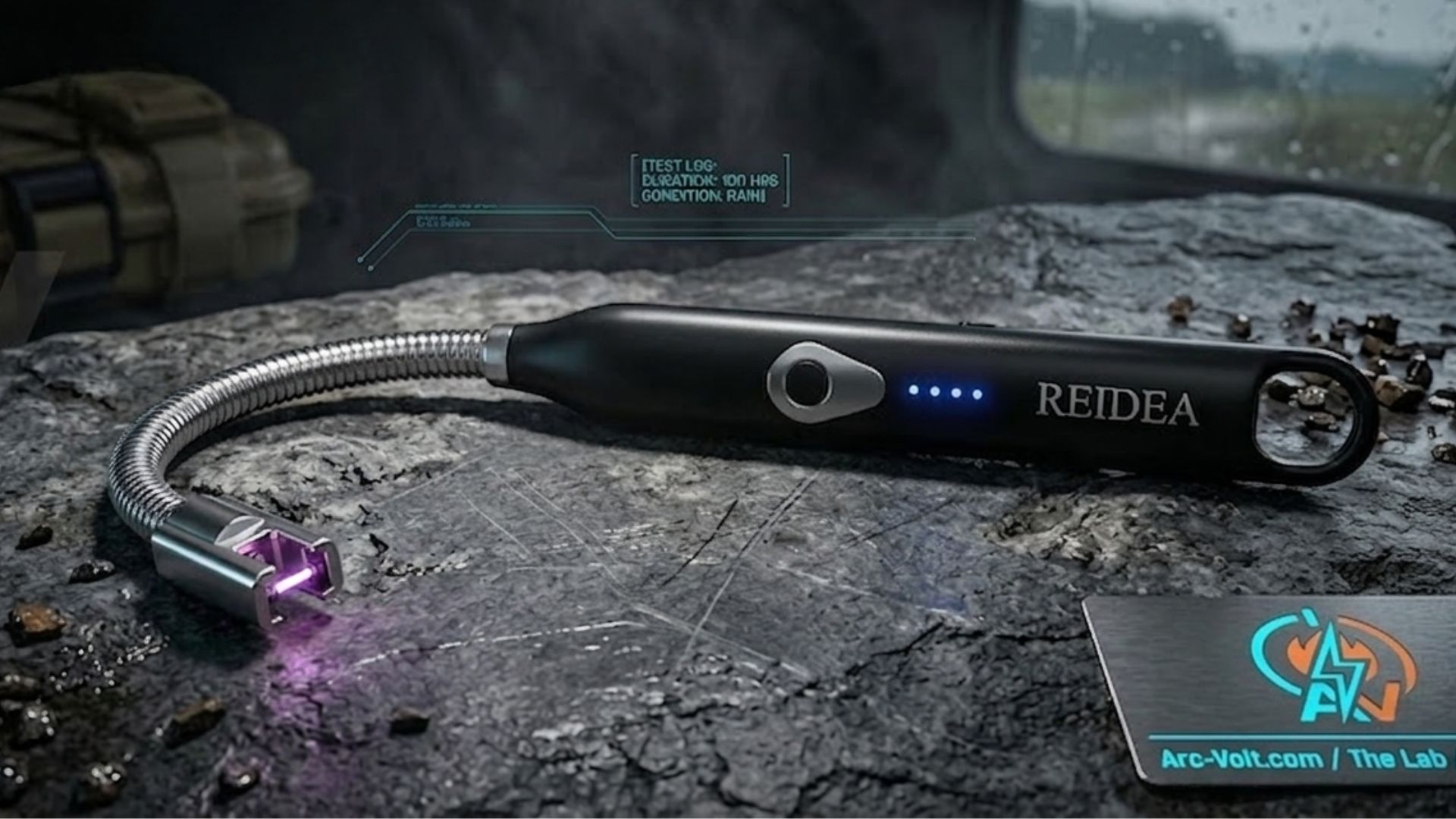
The REIDEA F2 Ultra is a flexible-neck candle lighter that fits deep jars, grills, pilot lights, and compact kitchen use while keeping USB-C charging and a slim indoor-friendly form factor.
The Mechanics of Dual-Action Ignition
Unlike traditional butane lighters that can trigger with a single motion, modern arc lighters rely on a dual-action mechanism. Leading models incorporate a physical metal tongue or sliding switch that mechanically or electronically locks the primary ignition button.
This two-step process addresses a primary user pain point: accidental deployment during transport. Unless the slide-lock is intentionally engaged, the 7KV high-voltage booster circuitry remains dormant, meaning pressure from keys or wallet edges in a pocket cannot complete the circuit.
Automatic Safety Cut-Off and Thermal Protection
Even if a device is intentionally activated, continuous electrical arcing generates significant heat. To prevent electrode overheating and battery stress, internal timing chips automatically cut power after an estimated 7 to 10 seconds of continuous operation.
This automatic cut-off provides two critical benefits:
- Fire Prevention: It drastically reduces the risk of igniting unintended materials if the device is dropped or left active.
- Battery Management: It protects the lithium-ion core from thermal runaway, ensuring the lifespan of the battery remains intact for its estimated 200 to 300 ignitions per charge.
Waterproofing and Latch Locks
For outdoor environments, safety goes beyond ignition prevention. Heavy-duty zinc alloy casings with rubber O-ring seals protect the electrical internals in rainy or marine conditions. These IP56-rated variants often utilize physical locking latches—such as a triple-lock system—to keep the housing completely sealed until intentionally opened.
Product Comparison: Safety Features by Brand
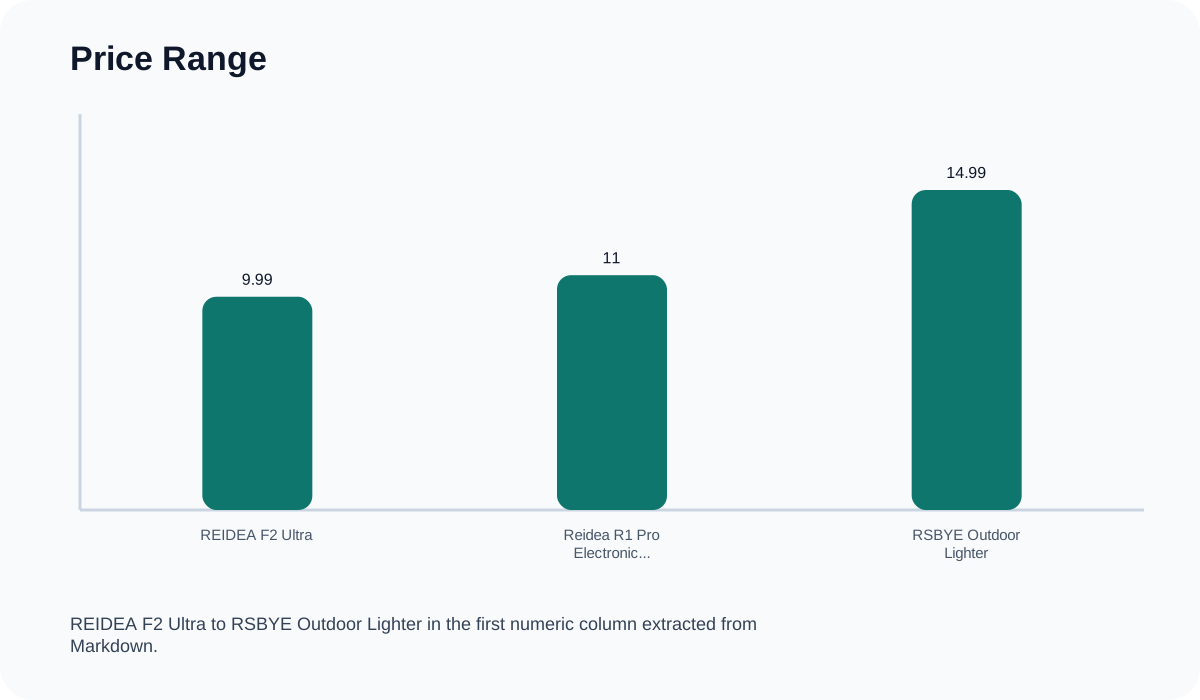
The following table outlines how different entities approach safety mechanisms across various price points.
| Product | Price Range | Lock Type | Special Feature | Charging Method |
|---|---|---|---|---|
| REIDEA F2 Ultra | 12.99 | Sliding Safety Switch | 360? Flexible Neck | USB-C |
| Reidea R1 Pro Electronic Lighter | 13.50 | Child Safety Lock | Zinc Alloy Body | USB-C |
| RSBYE Outdoor Lighter | 19.99 | Triple-Lock Latch | IP56 Waterproof | USB-C |
Battery Performance and Real-World Pain Points
While safety features are robust, users must manage routine maintenance and battery care. A standard modern arc lighter utilizes USB-C charging, typically taking 60 to 90 minutes to reach full capacity. However, manuals from brands like The USB Lighter Company frequently cite overcharging as a significant safety risk that can degrade the battery.
Additionally, users frequently report two specific pain points:
- High-Frequency Noise: The plasma arc generates a buzzing sound at approximately 15kHz, which can be audible and irritating to sensitive ears and pets.
- Electrode Fouling: Carbon buildup on the ceramic nodes can prevent a clean arc formation, requiring routine wiping to maintain ignition safety.
Final Verdict
Safety locks are not merely optional accessories; they are fundamental requirements for the secure operation of electric arc lighters. The combination of a manual slide-lock and an automatic 7-to-10-second power cut-off successfully mitigates accidental ignition and protects internal components. Buyers should prioritize models featuring these dual-action mechanisms and avoid leaving devices plugged in beyond the recommended 90-minute charging window.
Safety Checklist & FAQ
- How do I prevent electrode fouling? Gently wipe the ceramic nodes with a dry cloth or soft brush after use to remove carbon buildup and ensure a clean, safe arc.
- Can an arc lighter activate in my pocket? If the lighter features a dual-action sliding safety switch, it is virtually impossible for pocket pressure to trigger the high-voltage arc.
- Are waterproof arc lighters safer? Models with IP56 ratings and triple-lock latches offer superior protection against water ingress, which prevents internal electrical shorting in wet conditions.
- Is the buzzing noise dangerous? No. The estimated 15kHz frequency is a harmless byproduct of the high-voltage electrical arc, though it may annoy pets or users with sensitive hearing.
- How long should I charge my lighter? Most modern devices require 60 to 90 minutes. Disconnect immediately upon full charge to avoid safety risks associated with overcharging.