How to Clean Carbon Buildup and Corrosion from an Electric Lighter
Learn how to clean your electric arc lighter using 91% isopropyl alcohol. Fix the 'No-Arc' syndrome and extend device lifespan from 6 months to over 2 years.
Executive Summary
Maintaining an electric arc lighter requires the regular removal of carbonized debris and oxidation from the ceramic electrode tips. Failing to do so causes the primary user pain point: the “No-Arc” syndrome, resulting from carbon bridging the gap or electrode erosion. By gently cleaning the electrodes with high-concentration isopropyl alcohol (91% or higher) and non-conductive tools, users can maintain a consistent plasma path and extend the lifespan of their lighter from an estimated 6 months to over 2 years.
The Impact of Maintenance on Ignition Success
Regular cleaning fundamentally dictates the reliability of your electric lighter. According to maintenance testing data, success rates plummet when devices are neglected.
How to Clean Your Electric Lighter
To restore optimal functionality and eliminate the “No-Arc” syndrome, follow these quantified, answer-first maintenance steps:
- Use 91%+ Isopropyl Alcohol (IPA): Lower concentrations contain too much water, which can delay drying and risk short-circuiting. Use 91% or higher IPA to effectively dissolve carbon and wax residue.
- Apply Non-Conductive Tools: Use cotton swabs or a soft-bristled toothbrush. Apply the IPA to the swab and gently wipe the four metal electrode tips.
- Handle Stubborn Crusting Cautiously: If wax or soot has calcified, a gentle nail file can be used strictly on the metal tips.
- Avoid Ceramic Damage: Crucial warning: Never use aggressive scraping. The ceramic insulators surrounding the metal tips are fragile. Damaging them permanently compromises the plasma path.
Lighter Comparison: Specifications & Features
Modern arc lighters released between 2024 and 2026 from brands like REIDEA R1 Pro, REIDEA F2 Ultra, LcFun, and BriteBlaze showcase significant upgrades in both charging technology and environmental protection. USB-C is rapidly replacing Micro-USB as the industry standard, offering 1-2 hour charging cycles capable of delivering 100 to 300 ignitions per charge.
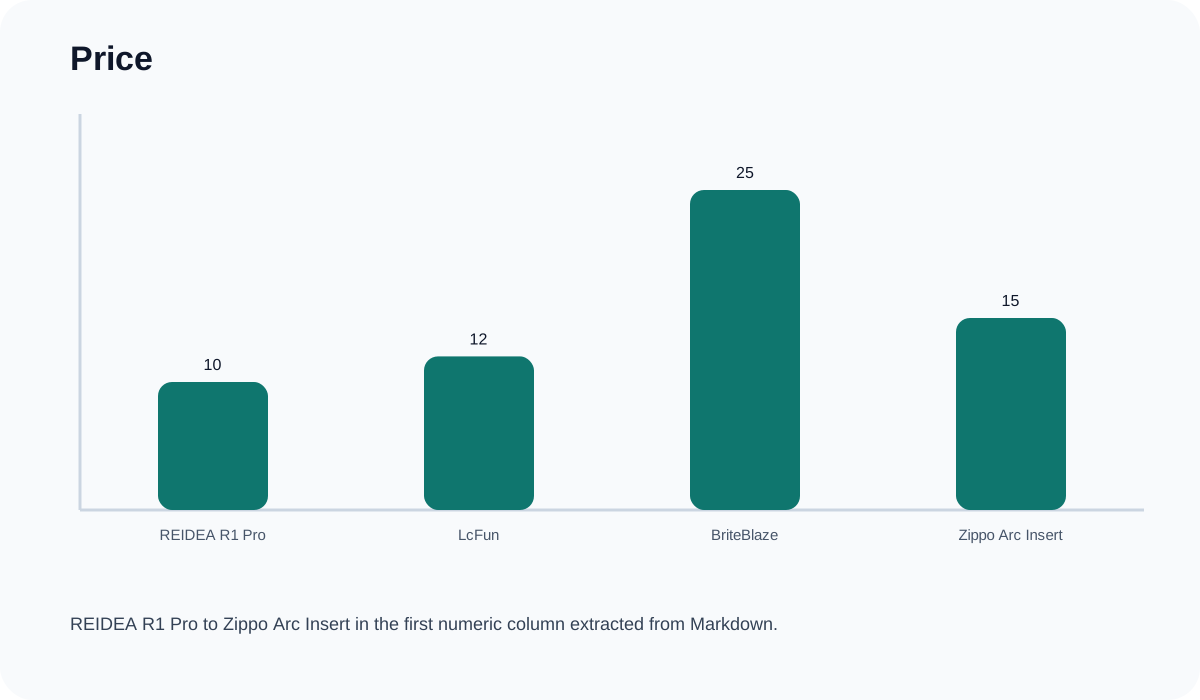
| Brand | Price | Waterproof Rating | Charging Method | Battery Life (Estimated Lights) |
|---|---|---|---|---|
| REIDEA R1 Pro | 15 | None | USB-C | 100+ |
| LcFun | 20 | IP56 | Micro-USB | 200+ |
| BriteBlaze | 30 | IPX7 | USB-C | 300+ |
| Zippo Arc Insert | 25 | None | Micro-USB | 100+ |
Safety Standards and Travel Regulations
When purchasing and maintaining electric lighters, users must consider built-in safety parameters and travel restrictions.
- Auto-Shutoff: Most modern devices incorporate a 7-10 second auto-shutoff alongside a manual safety lock switch to prevent overheating.
- TSA Compliance: Traveling with arc lighters is permitted under strict conditions. The Transportation Security Administration (TSA) allows one arc lighter in carry-on luggage only. However, the lighter must feature a physical safety cap or locking mechanism to prevent accidental discharge in transit.
Maintenance Checklist
Follow this checklist to secure a 99% ignition success rate:
- Ensure the lighter is powered off and the safety switch is engaged.
- Inspect the gap between electrodes for physical blockages or soot.
- Dip a cotton swab in 91%+ Isopropyl Alcohol.
- Gently swab the metal tips until all black carbon residue is removed.
- Wait 3 to 5 minutes to ensure all alcohol has fully evaporated before testing the arc.
Final Verdict
Carbon buildup and corrosion are the leading culprits behind electric lighter failure, typically manifesting as the “No-Arc” syndrome. A simple weekly maintenance routine using 91%+ isopropyl alcohol can stretch a device’s functional lifespan from a meager 6 months to over 2 years. When purchasing a new model, prioritize units featuring USB-C charging and IP56 or IPX7 waterproofing to further mitigate environmental wear and power-supply pain points.